
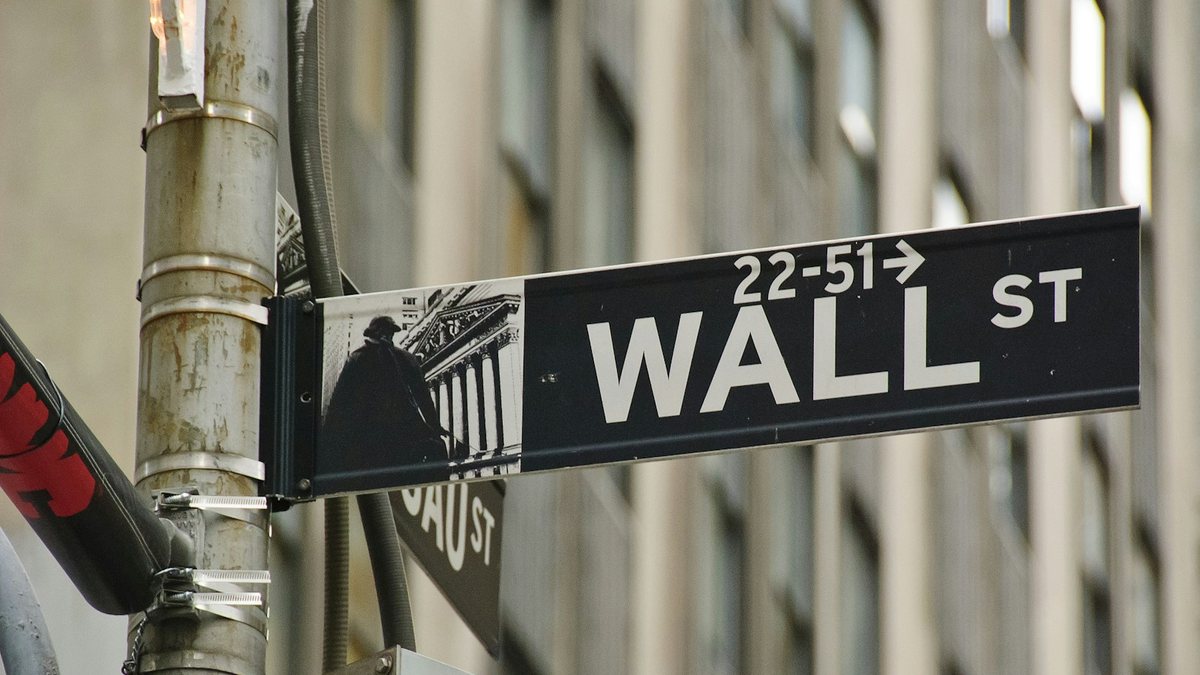
DTCC, the clearing and custody giant at the center of U.S. securities markets, put its tokenization service into live operation on October 28. It is the first time a central depository on Wall Street lets stocks, ETFs and U.S. Treasuries exist as tokens on a blockchain while official ownership records stay in the existing system.
How the service works
The service runs on two networks: Canton Network, a public blockchain built by Digital Asset, and Besu, DTCC's own private chain. The initial scope covers select large-cap stocks from the Russell 1000 index, ETFs tracking major indexes and U.S. Treasury bills, notes and bonds. A DTCC spokesperson said the product site lists 34 eligible securities at launch, representing roughly $30 trillion in market value.
Each token is backed one-for-one by securities held at DTCC subsidiary Depository Trust Company (DTC). Eligible firms can convert securities into tokens during business hours, with a processing target of 15 minutes or less, and then move the tokens between registered wallets around the clock, subject to compliance restrictions.
Why this differs from synthetic stock tokens
The key difference is that the official ownership record stays at DTC even as tokens move between wallets. That sets the approach apart from synthetic stock tokens that only track a share price without granting ownership of the underlying security. DTCC's tokens represent securities already in custody, so existing holder rights carry over.
The service builds on a no-action letter issued by SEC staff in December, which allowed DTCC to tokenize a defined set of securities. Today's launch follows a demonstration earlier this year and plans announced in May.
Who is in and what comes next
Twenty firms have signed agreements to use the service, including JPMorgan, Citi, Morgan Stanley, Bank of America, Barclays, UBS, State Street, Fidelity Investments and Citadel Securities. DTCC says more will join over time.
The 2027 road map adds the Stellar blockchain and Circle's Arc network, broader corporate-action support, tools for settling with digital cash and the use of tokenized securities as collateral. Other market operators are moving the same way: Nasdaq and NYSE are developing tokenized trading infrastructure, and Intercontinental Exchange is set to run a blockchain-based venue with OKX under the SEC's innovation exemption. Citi analysts project tokenized securities could become a $5.5 trillion market by 2030.
What it means for traders
For crypto traders, this is mainly a long-term signal: blockchain infrastructure is moving into the core of traditional markets rather than sitting at the edge. It does not, however, create a direct flow of money into Bitcoin or altcoins. At launch, Canton Coin traded near $0.099 and Stellar near $0.17, with no clear price reaction.
In the short run, macro still drives the market. Bitcoin rose above $81,000 during the Asian session on a chip-stock rally, then gave back part of the gain as the Fed decision approached. Markets expect the Fed to hold rates but deliver a hawkish message that prepares the ground for a possible December hike. For futures traders, days with major macro events often bring sharp swings, and funding rates and liquidation prices can shift quickly; a position and liquidation calculator can help manage risk.
What to watch next: how many firms join the service, when Stellar and Arc arrive in 2027, and whether the SEC turns the no-action letter into a lasting framework.